Google I/O 2026: Biggest Search Overhaul in 25 Years, Gemini Spark AI Agent Debuts
TL;DR
At Google I/O 2026, Google overhauled Search for the first time in 25 years and launched Gemini Spark, a 24/7 personal AI agent. With 900 million Gemini users, the AI race just shifted into a new gear.
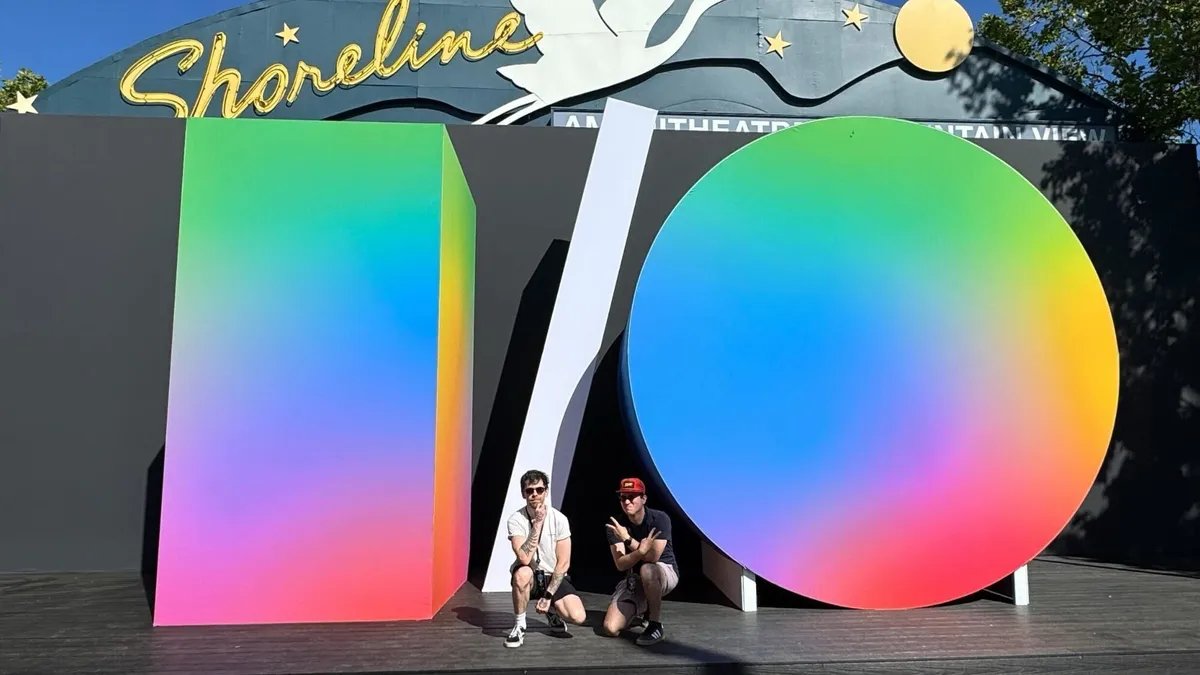
Google I/O 2026 kicked off on May 20, and the announcements landed with real weight. Sundar Pichai opened with a metric that sets the tone: Gemini app users have grown from 400 million to 900 million in a single year, processing 3.2 quadrillion tokens per month. That is more than six times last year’s volume.
Two announcements stood out above the rest.
The Biggest Search Redesign in 25 Years
Google is rebuilding its search experience from the ground up. The redesigned search box understands natural language, handles multimedia input, and now supports background “information agents” that monitor the web on a user’s behalf.
Set a trigger once, and Search tracks it for you: new apartment listings, product price drops, sports scores. AI Mode already counts 1 billion monthly active users, with AI Overviews reaching 2.5 billion. Most Google users are now getting answers through an AI interface, not a list of blue links.
Publishers are worried. When Google answers questions directly on the results page, external sites see less traffic. Google did not address this tension during the keynote.
Gemini Spark: A 24/7 Personal AI Agent
Gemini Spark integrates directly into Gmail, Docs, and Slides. It summarizes email deadlines, turns meeting notes into reports, and drafts follow-up messages automatically.
This is ground Microsoft 365 Copilot has already covered for two years. The difference is positioning: Gemini Spark lives inside Google’s own ecosystem, which means near-zero switching costs for the hundreds of millions of organizations already running on Workspace.
Spark is currently in beta, available first to Google AI Ultra subscribers at $100 per month.
Gemini 3.5 Flash and Eighth-Gen TPUs
Gemini 3.5 Flash is the new flagship model: four times faster than its predecessor, stronger at coding, reasoning, and multimodal tasks, at roughly one-third to one-half the price of comparable frontier models. For developers, that pricing gap is hard to overlook.
Infrastructure commitments stand at $180 to $190 billion. Two new TPU generations: the 8t for large-scale training, the 8i for inference workloads. Google also announced smart glasses partnerships with Warby Parker and Gentle Monster, targeting a late-2026 launch.
Developer Tooling: WebMCP and Antigravity 2.0
On the developer side, Google proposed WebMCP, an open standard for native browser AI agent support. Origin trials begin with Chrome 149. If adoption follows, integrating AI agents into web applications should become significantly simpler.
Antigravity 2.0 got upgraded agent orchestration, a new CLI tool, and support for custom subagent workflows.
The signal across the whole event is consistent: Google wants to be the AI infrastructure layer for users and developers alike. Execution over the next few quarters will determine whether the ambition holds.
Sources: BusinessToday - Google I/O 2026 · Google Developers Blog
If this was useful, subscribe to the newsletter for weekly AI PM insights and GenAI case studies.
Related Articles
Google Unveils Gemini 4 Argon: Code Modernization Needs the Right Baseline
Gemini 4 Argon raises the output limit to 1M tokens, initially for trusted cyber defenders. Its libgav1 example shows iterative improvement of a Rust port, but the 2.7-fold speedup is not measured against the optimized C++ original.
Google Launches Gemini 3.8 Live: Spoken Progress Needs to Help the User
Gemini 3.8 Live and its extended-thinking version reach general availability in the API with 97 languages. Background reasoning can reduce silence, but useful updates, task status and audio costs determine product value.