Illinois Passes America's First AI Safety Audit Law: What SB 315 Means for OpenAI and Anthropic
TL;DR
Illinois passed SB 315 110-0, requiring OpenAI, Anthropic, and Google DeepMind to undergo annual third-party safety audits. Both AI labs actually endorsed the bill. Governor Pritzker plans to sign.
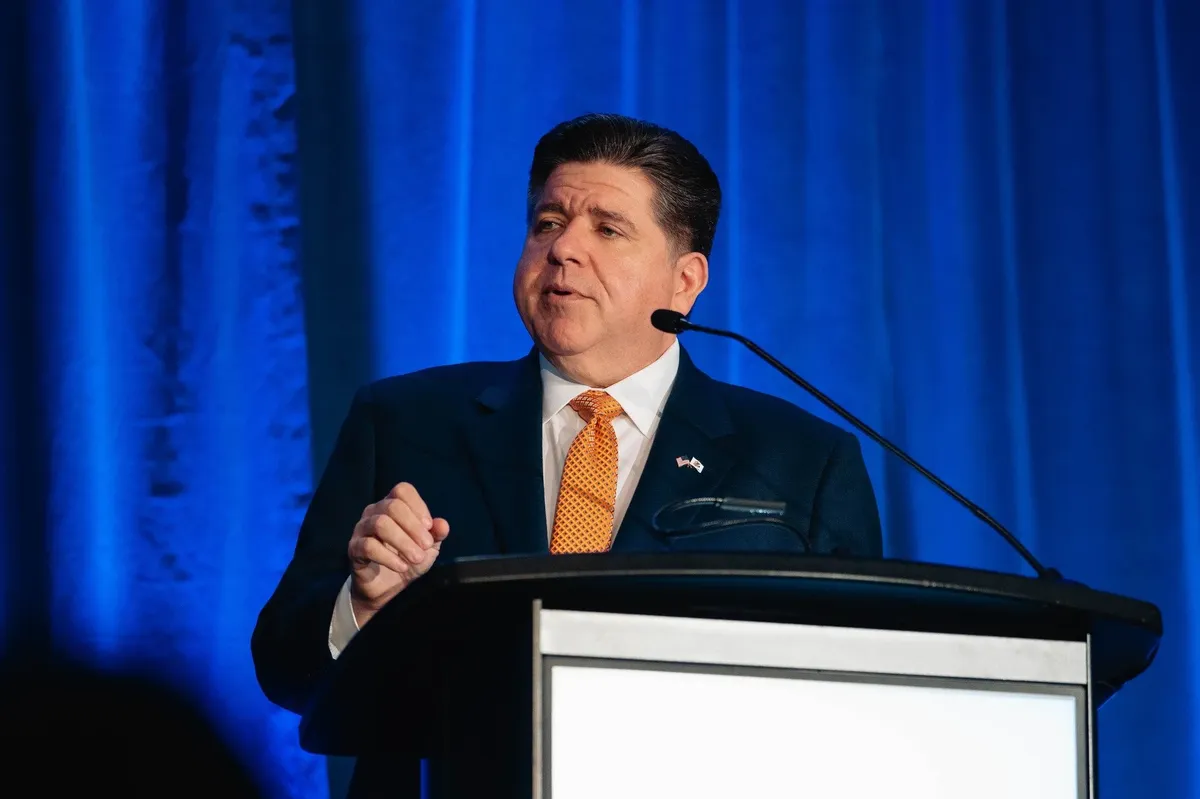
On May 27, the Illinois General Assembly passed SB 315, the Artificial Intelligence Safety Measures Act, by a vote of 110 to 0. The bill goes to Governor JB Pritzker, who has said he plans to sign it. Once signed, this becomes the first US state law requiring annual independent third-party safety audits of frontier AI developers, including OpenAI, Anthropic, Google DeepMind, and Meta. Notably, both OpenAI and Anthropic endorsed the bill.
What SB 315 Actually Requires
The law applies to “frontier AI developers,” defined as companies that train and deploy the most capable models. The current threshold captures OpenAI, Anthropic, Google DeepMind, Meta, and any other lab whose training costs exceed the statutory ceiling.
Four core obligations stand out. First, companies must commission annual independent audits verifying that their safety practices match their own published commitments. Second, they must create and annually update a Frontier AI Framework covering catastrophic risk assessment, cybersecurity, internal governance, and third-party evaluations. Third, they must submit periodic summaries of internal risk assessments to regulators. Fourth, they must proactively report critical safety incidents.
The bill includes whistleblower protections and civil penalties for violations. Potential auditors include the Big Four accounting firms, Deloitte, EY, KPMG, and PwC, as well as research organizations in the AI Evaluator Forum such as METR, Transluce, and AVERI. The effective date is 2028, giving companies roughly two years to prepare.
Why the AI Labs Endorsed Their Own Regulation
OpenAI’s head of public affairs, Chris Lehane, said the bill creates “clear expectations around safety, transparency, incident reporting, and accountability.” Anthropic’s policy lead, Cesar Fernandez, said it “establishes a baseline that every leading AI developer is expected to meet,” and claimed Anthropic was the first AI lab to publicly support it.
Reading between the lines: neither company’s primary concern is regulation itself. The concern is uneven regulation. Mandatory third-party audits lock in compliance costs for every competitor equally, reducing the advantage smaller or less safety-conscious entrants might gain by cutting corners. A shared regulatory floor, in this logic, protects incumbents as much as it protects the public.
The main opposition came from Chamber of Progress, a tech-industry lobbying group, which argued the bill “would force companies to expose sensitive systems to untested auditors.” That concern has substance. AI safety auditing has no mature professional standards yet. The Big Four know how to audit balance sheets. Evaluating whether a model has weapons-relevant capabilities is a different discipline entirely. The bill defines what to audit but not what passing looks like, a gap that will need to be filled before 2028.
States Move While Washington Stalls
Federal AI regulation has been slow this year. The White House’s executive order draft was reportedly delayed in early May, with no firm legislative timeline. Illinois moved first, joining a pattern of states like California and Colorado filling the vacuum.
California’s SB 1047 was vetoed in 2024, but a successor bill is still in progress. The emerging picture is that US AI regulation will likely land first at the state level, creating a patchwork of compliance requirements rather than a unified federal standard. For frontier AI developers operating in the US, this could mean separate compliance obligations across Illinois, California, and Colorado simultaneously, raising both cost and complexity.
Two things to track from here: whether federal legislation borrows from the Illinois framework, building a bottom-up standard, and whether other large states follow suit. A 110-0 vote represents rare bipartisan consensus. Whether that consensus travels to Washington is one of the more consequential AI policy questions of the year.
If this was useful, subscribe to the newsletter for weekly AI PM insights and GenAI case studies.
Sources:
- Illinois Lawmakers Just Passed America’s Strongest AI Safety Bill — DNYUZ
- Illinois Legislature passes historic AI bill requiring third-party safety audits — NBC News
- Illinois lawmakers send landmark AI bill to Gov. Pritzker — Transparency Coalition
Related Reading:
Related Articles
Meta Muse Spark 1.1 上線:用四分之一價格單挑 Anthropic 和 OpenAI
Meta 上線 Muse Spark 1.1,API 定價每百萬輸出代幣只要 4.25 美元,號稱是 Anthropic、OpenAI 旗艦模型的四分之一。跑分卻刻意跳過兩家最新旗艦,這個「便宜」到底划不划算?
ChatGPT Work Launches as OpenAI Folds Codex Into Desktop App to Rival Claude Cowork
OpenAI launched ChatGPT Work on July 9, an autonomous office agent built on GPT-5.6, and folded Codex into a new three-tab desktop app alongside Chat and Work. The launch lands three days after Anthropic's Claude Cowork expanded to mobile and web.