Anthropic Opens Model Hardware Standard Preview for AI-Controlled Lab Equipment
TL;DR
Anthropic opened a research preview of the Model Hardware Standard, connecting microscopes, liquid handlers, and robotic arms through standard drivers while integration speed and physical safety await external testing.
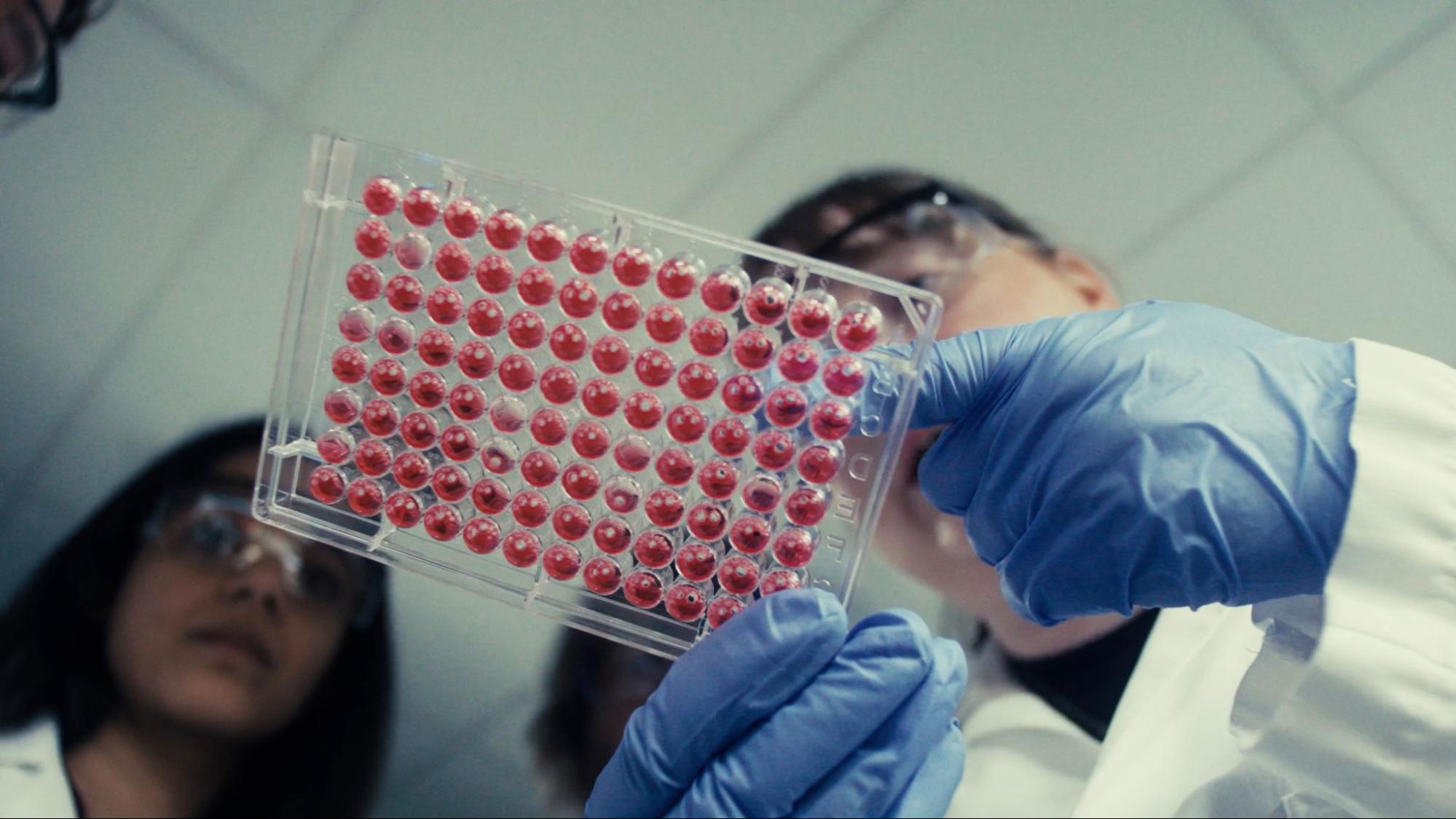
Anthropic’s commercial claim for the Model Hardware Standard has a clear way to fail. If participating laboratories cannot reduce the time needed to integrate a newly added instrument from weeks to hours over the next three to six months, or if engineers still have to write a bespoke adapter for every device, the standard has not removed the cost it targets. The company opened the research preview on August 27, 2026. The evidence available today comes from Anthropic and its early partners; no external laboratory has yet reproduced the reported gains with the same equipment, workload, and safety conditions.
The Model Hardware Standard places each device behind a standardized driver. That driver exposes simple operations such as read and write, while natural-language tags describe characteristics that source code alone may not reveal, including the weight of a robotic arm, adjustable parameters, and enforced safety limits. The driver then produces a reference file that an agent can inspect. A microscope, liquid handler, or robotic arm becomes discoverable across a network without a separate translator program for every pairing. Anthropic says the specification can work with any device that has a programmable interface and is not tied to Claude or to one agent framework.
Once devices are registered, an agent can control them through MCP, a command-line interface, or code APIs; this article labels them 3 control paths. For a long-running or latency-sensitive operation, the agent can assemble deterministic code and hand execution to the instruments instead of reasoning before every movement. In one example published by Anthropic, Claude adjusted a laser, observed the beam through a camera, repeated the correction, and packaged the learned sequence into a script that could run as one command. The architecture therefore puts the language model at the planning and exception-handling layer while conventional software remains responsible for time-sensitive control.
Anthropic says laboratories and factories that normally spend weeks or months integrating hardware can reduce that work to hours or minutes. Computerworld independently confirmed the framework’s launch and reported that Anthropic plans to release it as open source after more testing. The report did not provide an independent timing test, utilization figure, or failure rate. What can be verified is narrower: the research preview, specification design, and partner demonstrations are public. The integration-speed estimate remains a company claim rather than a demonstrated result across vendors and production environments.
Physical operations also introduce failure modes that software-only evaluations do not capture. Anthropic describes a Genentech case in which researchers had to tell Claude that foam in protein samples was a physical problem, not a software bug. The current Model Hardware Standard cannot connect legacy equipment without a programmable interface, and Claude’s spatial and physical reasoning still requires expert supervision. Anthropic is therefore keeping the project in a research preview while partners develop safety evaluations, misuse protections, and a physical-safety roadmap before the planned open-source release.
The useful evidence over the next three to six months will be measurable: whether Anthropic publishes the specification and safety findings, whether partners disclose aborts and human interventions, and how many engineering hours a median new-device integration requires across brands. A handful of successful demonstrations proves that selected teams connected selected machines. If those measurements include unfamiliar devices rather than only rehearsed environments, the Model Hardware Standard will have stronger evidence that standardization lowers the engineering cost of laboratory automation.
Sources:
Related Articles
Court Upholds Anthropic Exclusion: Making Safety Restrictions Predictable
A US appeals court backs excluding Claude from the defense supply chain in a 2-1 decision. The ruling addresses purchasing authority, not whether removing safeguards improves reliability. Product teams still need to distinguish intended refusals from mistakenly blocked tasks.
Anthropic Proposes Embedded Reviewers: Customers Need to Know What Remains Untested
Dario Amodei proposes three AI safety measures. Whether external assessment helps customers choose suppliers depends on what reviewers can access and publish.