NVIDIA will provide credit support and exclusive AI compute at PORTS-Pike under a 20-year OpenAI lease, but the $105 billion figure is a guarantee ceiling, not capital already spent.
Cursor confirmed its acquisition by SpaceX and says it will use the company’s GPU infrastructure to train stronger, cheaper models, while transaction terms, compute capacity, and customer pricing remain undisclosed.
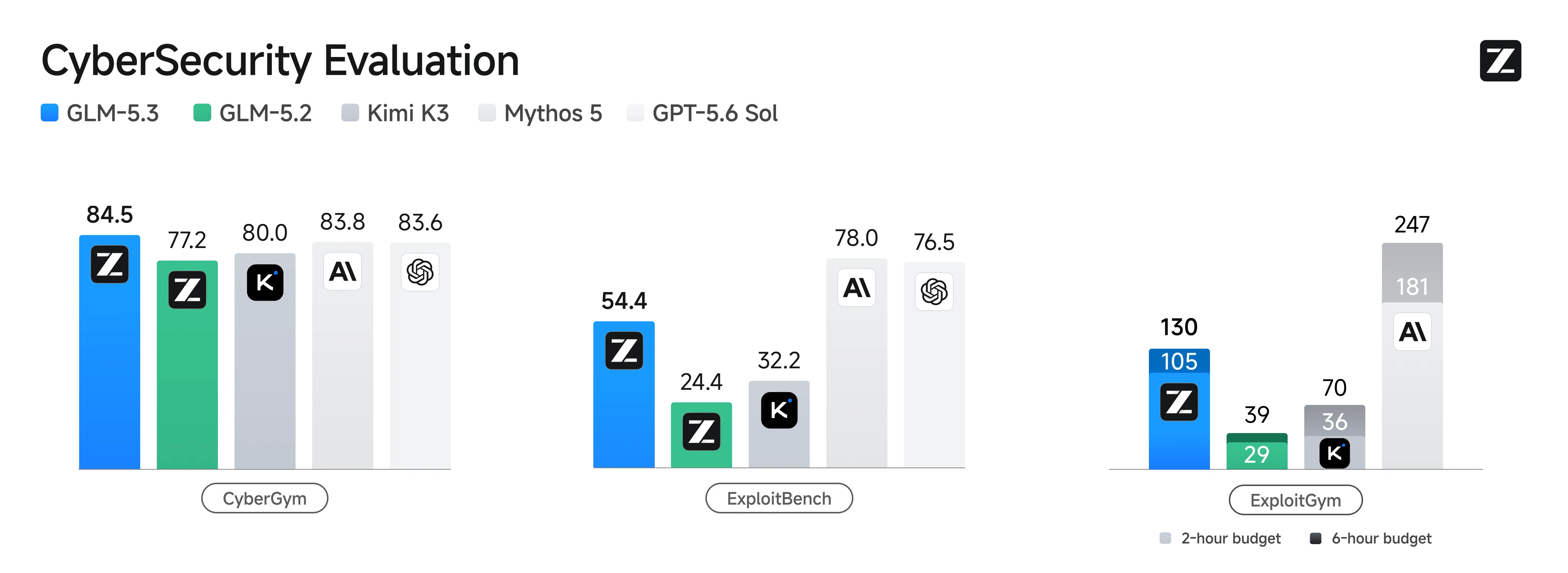
Z.ai released GLM-5.3 on August 14, 2026, claiming coding and exploitation gains from post-training alone; public benchmarks improved, but weights remain unavailable and harder cyber tests still trail closed models.
Google positions Gemini 3.7 Flash as a workhorse for coding and AI agents, with higher vendor benchmarks and temporary half-price access, while architecture, training methods, and production retry rates remain undisclosed.
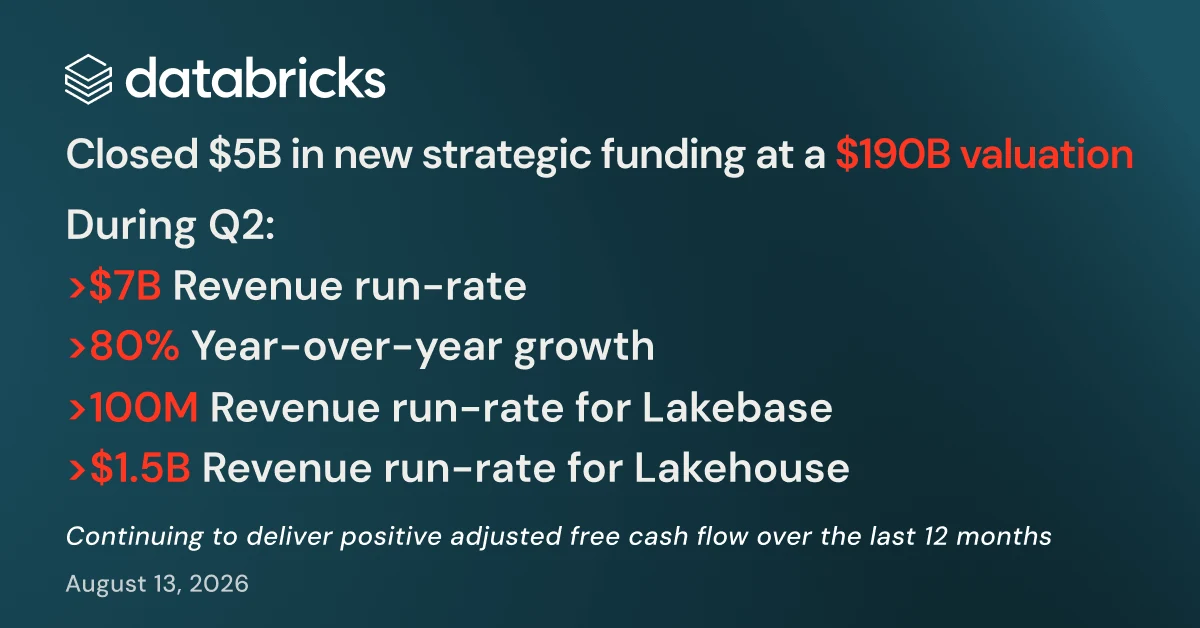
Databricks closed a $5 billion round at a $190 billion valuation to fund Lakebase, Genie, and Unity AI Gateway, while its operating figures remain company-reported.
Google DeepMind is shipping its SL2T American Sign Language translation model in Gboard and Live Transcribe on Pixel 11, while independent real-world error rates remain unavailable.
Dream reconstructed 12 waves of a multi-agent intrusion from a 160 MB workspace, while Taiwan confirmed an overseas AI-assisted attack on government agencies in July.
Anthropic is adding text watermarks and C2PA file provenance to new Claude models in the EU, while older-model coverage and third-party detection remain unfinished.
Gavin Newsom directed California agencies to establish AI cyber defense programs and name AI Cybersecurity Officers, while budgets, deadlines, and performance baselines remain undisclosed.
From August 14, 2026, Anthropic will default new Claude Code sessions on Pro, Max, and Team plans to Auto mode; its tests beat manual approvals, but the study setting and real-world incident evidence remain limited.
Genians found Ollama, GPT4All, Msty, a RAG database, and agent libraries in Kimsuky-linked infrastructure; the evidence shows integration of existing AI, not model training.
OpenAI says Astra’s preliminary evaluations are strong enough that it cannot rule out Critical cyber capability, prompting a pause on internal work that does not meet stronger safeguards; full scores and a release date remain undisclosed.