US Clears Nvidia H200 Sales to China, But Beijing Blocked the Purchases
TL;DR
The Trump-Xi summit unlocked H200 export licenses for Alibaba, Tencent, ByteDance and 7 others, but Beijing told them not to buy, and zero chips have shipped.
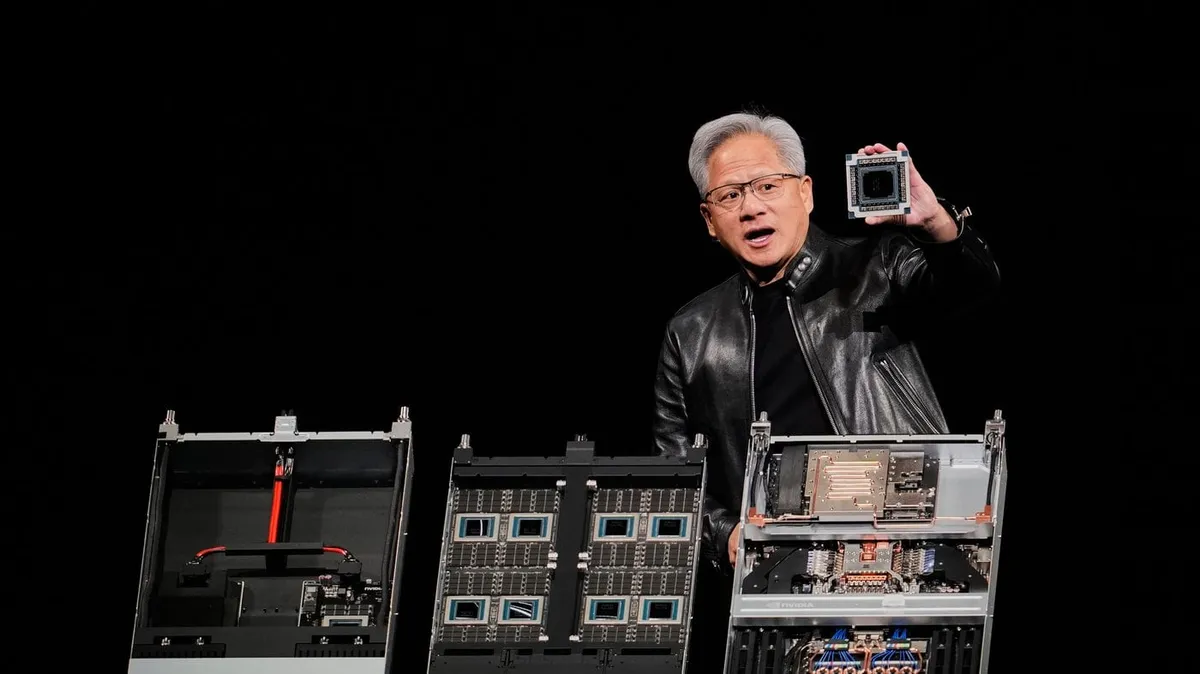
On May 14, the U.S. Commerce Department approved export licenses for around ten Chinese companies to purchase Nvidia’s H200 AI chips. The list includes Alibaba, Tencent, ByteDance, and JD.com as direct buyers, with Lenovo and Foxconn authorized as distributors. Each approved firm can purchase up to 75,000 units. For Nvidia, it was the first real opening in China’s high-end AI chip market in years.
Zero chips have shipped so far.
The Summit That Made the Licenses Possible
The approvals came during President Trump’s state visit to Beijing, the first by a sitting U.S. president since Trump’s own 2017 trip. Nvidia CEO Jensen Huang joined the delegation at the last minute, alongside Elon Musk (Tesla, SpaceX), Tim Cook (Apple), Larry Fink (BlackRock), David Solomon (Goldman Sachs), and executives from Meta, Mastercard, and Visa.
Huang’s presence in Beijing had a singular purpose: converting paper licenses into actual purchase orders. Nvidia’s China market share collapsed from roughly 95% to near zero after export controls tightened over the past two years. The H200 approvals were supposed to be the turning point.
Licenses Issued, Orders Frozen
The licensing terms carry significant conditions. Chinese buyers must provide written assurances that chips will not be used for military or surveillance purposes. Nvidia must certify adequate U.S. domestic supply before each shipment. Reports also indicate the arrangement includes a provision giving the U.S. government 25% of chip-sale revenue, which Beijing views as a supply-chain security risk.
The more direct obstacle came from Beijing itself. According to sources cited by Reuters, Chinese officials urged major tech platforms to slow or redirect their Nvidia orders toward domestic chipmakers, primarily Huawei. The goal is to avoid deepening dependence on U.S. AI infrastructure. One U.S. official was blunt: “They have not let them, as of yet, buy the chips.”
Nvidia’s most advanced Blackwell chips, including the B100 and B200, remain fully banned. The H200 was already a compromise, and even that door is being held shut from the Chinese side.
Bessent on AI Guardrails
Treasury Secretary Scott Bessent told CNBC during the summit that U.S. and Chinese delegations are discussing an AI guardrails framework aimed at preventing non-state actors from accessing the most powerful AI models. He described maintaining U.S. AI leadership as being of “utmost importance,” while adding: “What we don’t want to do is stifle innovation.”
The framework remains at the principles stage, with no technical standards or enforcement mechanism in place. The chip standoff illustrates exactly why: both sides are negotiating cooperation while simultaneously protecting their own strategic positions.
What the Standoff Reveals
Nvidia is caught squarely in the middle. The licenses exist, the window appears open, but actual orders require Beijing’s nod. Beijing, in turn, is using the H200 purchases as leverage to extract domestic chip commitments, with both sides waiting for the other to move first.
The market vacuum Nvidia left behind is being filled. Huawei’s Ascend 910B has been scaling into the space. Every week without H200 shipments makes recovery harder.
The summit generated optimism about a U.S.-China tech thaw. The chip reality is more stubborn: export licenses do not move on summit atmospherics alone.
According to Reuters’ exclusive report confirmed by BNN Bloomberg, and CNBC’s coverage of Bessent’s summit statements.
If this was useful, subscribe to the newsletter for weekly AI PM insights and GenAI case studies.
Related Articles
Cerebras Surges 68% on Nasdaq Debut: 2026's Biggest AI IPO Challenges Nvidia's Dominance
Cerebras priced at $185, raised $5.55B, and surged 68% on debut to a $95B market cap. Its WSE-3 chip runs inference 15x faster than GPUs, with OpenAI and AWS already on board. A wave of AI IPOs is now on its way.
Xi Jinping Opens WAIC 2026 as China Launches 29-Nation AI Bloc
Xi Jinping made his first in-person appearance at Shanghai World AI Conference as 29 countries signed on to launch a China-led AI governance body. I ran the numbers on what that bloc actually represents.