Trump Pulls AI Executive Order Hours Before Signing: Musk, Zuckerberg Opposed
TL;DR
Hours before the scheduled signing ceremony, Trump pulled an executive order that would have created a voluntary 90-day government AI model review. Musk and Zuckerberg opposed it overnight, and the White House backed down.
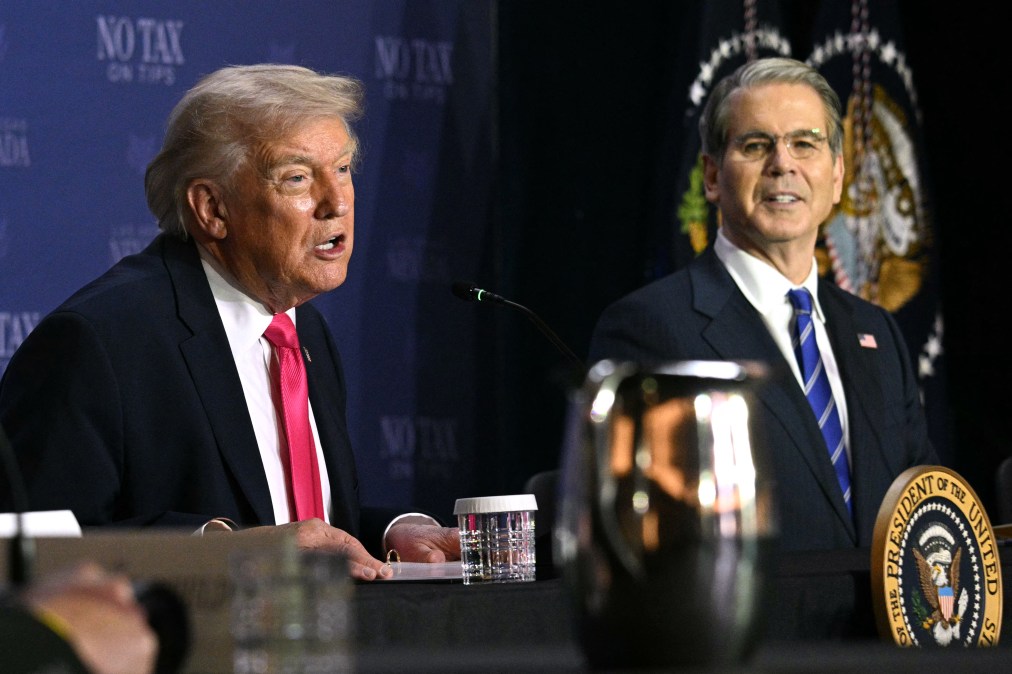
A signing ceremony scheduled for the White House afternoon of May 21 was cancelled just hours before it was set to begin.
The Trump AI executive order at issue would have established a voluntary framework for frontier AI model review: companies would share new models with the NSA, Treasury Department, CISA, and NIST up to 90 days before public release, giving agencies time to assess cybersecurity and national security risks. Participation was framed as voluntary, not mandatory.
That framing did not reassure the tech industry.
Trump told reporters afterward: “I didn’t like certain aspects of it, so I postponed it. I think it gets in the way of, you know, we’re leading China, we’re leading everybody, and I didn’t want to do anything to get in the way of that lead.”
What Happened Overnight
Axios reported that opposition crystallized in the hours before the signing.
White House AI czar David Sacks had long viewed the order as unnecessary, describing it as something “doomers” wanted. Between Wednesday night and Thursday morning, Mark Zuckerberg of Meta and Elon Musk of xAI both communicated their opposition directly to Trump. The tech and AI CEOs who had been invited to attend the ceremony were notably absent.
Musk’s conflict of interest is straightforward. He runs xAI. Any mechanism that slows model deployment is a direct hit to his business.
The White House gave no new date for a signing.
Why “Voluntary” Wasn’t Enough
CNBC reported that the draft was designed as an opt-in framework, not a regulatory mandate.
The industry’s resistance operated on multiple levels. A 90-day pre-release window requires companies to share model weights or capabilities with government agencies before the public sees them. Once that precedent exists, “voluntary” has a way of becoming less voluntary over time. The Treasury Department’s role as cybersecurity reviewer also drew skepticism, given that CISA and NIST have the established technical infrastructure for that kind of evaluation.
A framework designed to be low-friction ended up being read as a high-risk opening bid.
A Pattern That Keeps Repeating
Biden’s 2023 AI executive order was sweeping enough that Trump’s team scrapped it on day one. Now Trump’s own attempt at a lighter-touch framework has collapsed under pressure from the same industry it was meant to oversee.
The structural problem is not going away. The companies most affected by AI governance rules are the same companies that fund the political ecosystem shaping those rules. OpenAI filed its confidential IPO this week, targeting a $1 trillion valuation. Anthropic is on track for its first quarterly operating profit. Both companies have strong incentives to keep regulatory timelines as loose as possible.
The 90-day review concept hasn’t disappeared. It will likely resurface in a different form. The question is whether the next draft survives the same overnight phone calls.
If this was useful, subscribe to the newsletter for weekly AI PM insights and GenAI case studies.
Related Reading
Related Articles
EU Designates ChatGPT as a VLOSE: Four Months After the 45 million User Threshold
The European Commission designated ChatGPT a Very Large Online Search Engine under the DSA, giving OpenAI until January 2027 to address systemic risks including illegal content, minors’ well-being, and public security.
UK and Ukraine Sign AI Defence Partnership: Battlefield Data Enters Three Pilot Projects
The UK is set to become the first international partner to access Ukraine's Avengers AI Labs data, starting with sensing and low-power-chip pilots; the declaration is non-binding and outcome metrics remain undisclosed.