Samsung estimates third-quarter operating profit of KRW 107.4 trillion, but that consolidated figure cannot establish whether its phones and appliances also became more profitable. Segment results have not been released. Before interpreting AI demand as a benefit shared across the group’s products, we need evidence that the economics of its finished devices improved too.Preliminary results Segment limitations
The official guidance, published on 2026-10-08, estimates revenue of KRW 195 trillion. These are preliminary estimates for a completed quarter, not a forecast for the next quarter or a full financial report. The announcement gives a date but no publication time. The Korea Times published its report at 07:55 Korean time, equivalent to 06:55 in Taipei. This article is dated October 8, with a reporting cutoff of 15:56 Taipei time.Announcement Report timing
Dividing the two official estimates gives an operating margin of approximately 55%. That is our calculation of a consolidated ratio, not the memory division’s gross margin or an AI service’s profitability. Samsung provides estimated ranges of KRW 194–196 trillion for revenue and KRW 107.3–107.5 trillion for operating profit, leaving room for revision.Estimated ranges
Independent reporting links the increase to AI data-center memory demand and rising DRAM and NAND prices. This explains how demand can become supplier income: when supply is constrained, additional demand can bring both more orders and higher unit prices. The brief company announcement does not separate the contributions of pricing, shipment volume and product mix. The entire increase therefore cannot be counted as additional AI usage.Demand and pricing Market reporting
Reporting also describes pressure that higher memory and component costs could put on phones and appliances. Analysts expect the DX division, which handles finished products, to post its second consecutive quarterly loss. This remains outside analysis, not reported segment results. Samsung sells both chips and finished devices, placing potentially opposing effects inside one company. Record consolidated results cannot fill in the missing figures for either business.Segment analysis Cost transmission
Memory suppliers and device products need different profit assumptions
I would treat this announcement as evidence that AI infrastructure demand is generating supplier income, without using it to calculate the extra profit an AI feature brings a device brand. That still depends on what users will pay, how much memory the product requires, and whether the brand can reflect additional costs in its selling price. Even within one company, a more profitable chip business does not establish that a particular phone feature succeeded.
This distinction is useful for Taiwanese teams evaluating on-device AI products. Suppose a new feature requires more memory while buyers remain willing to pay only the previous price. More frequent use of that feature would not necessarily improve profit per device. The economics change if the team can complete the same task with less memory, or if users will pay for an improvement they can actually experience. This is a product judgment derived from cost transmission, not user research disclosed by Samsung.
When assessing AI industry returns, I would therefore examine supplier prices separately from the profit retained by finished products. Higher supplier prices can support continued investment while increasing the cost hurdle for device businesses. Consolidated revenue and operating profit alone cannot show which products and users ultimately sustain the value being created.
Samsung plans to release full results on October 29.Reporting schedule Segment profits should first clarify whether phones and appliances benefited too. Further disclosure on pricing, shipments and product mix would help distinguish expanding demand from higher prices. Until then, KRW 107.4 trillion establishes the scale of the group’s preliminary profit estimate, not a comparable improvement in the returns of end-user AI products.
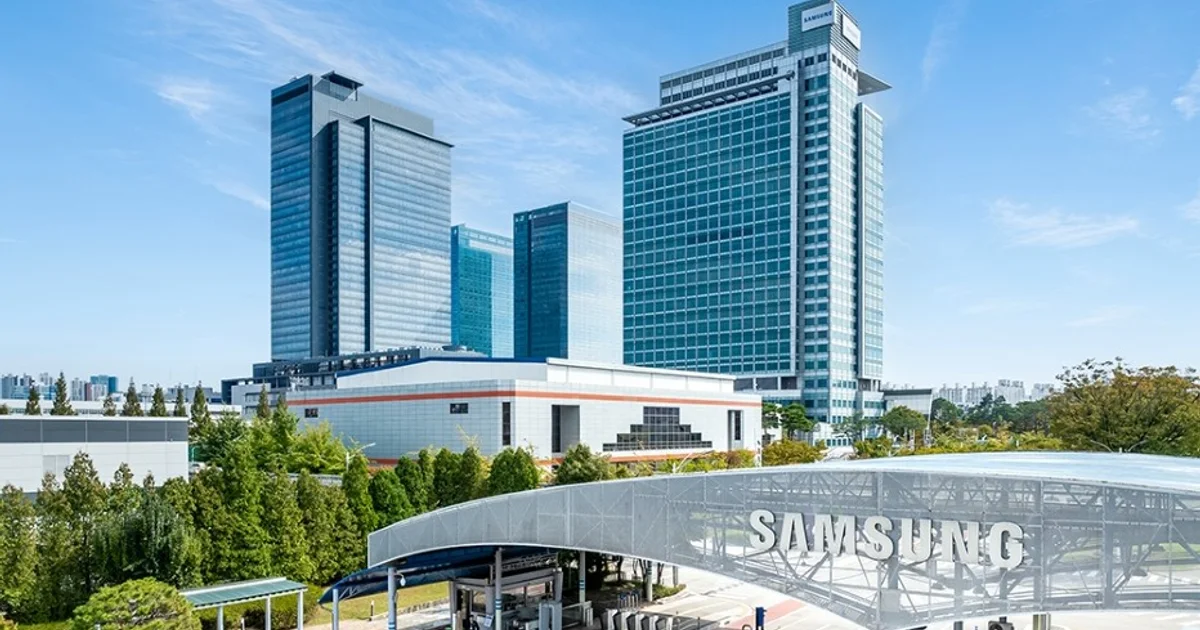
The cover reuses this site’s existing Samsung headquarters photograph. It does not show this earnings announcement; DNS resolution failed when fetching the event-image source page.
Sources: