Google, Microsoft, and Hugging Face have jointly released the ARD (Agentic Resource Discovery) specification on June 17, 2026. AI agents can now discover tools dynamically at runtime using natural language queries — the same paradigm shift that DNS brought to web browsing, but for the agent ecosystem.
Qualcomm is reportedly in talks to acquire AI chip startup Tenstorrent for $8-10 billion, per Reuters. Led by legendary designer Jim Keller, Tenstorrent builds RISC-V based AI accelerators as a direct bet against Nvidia CUDA lock-in. The deal would transform Qualcomm from a mobile chip company into a serious AI data center contender.
John Jumper, co-creator of AlphaFold and 2024 Nobel Chemistry Prize winner, is leaving Google DeepMind after nine years to join Anthropic. The move follows Noam Shazeer's departure to OpenAI and signals where serious AI safety research may concentrate in the next decade.
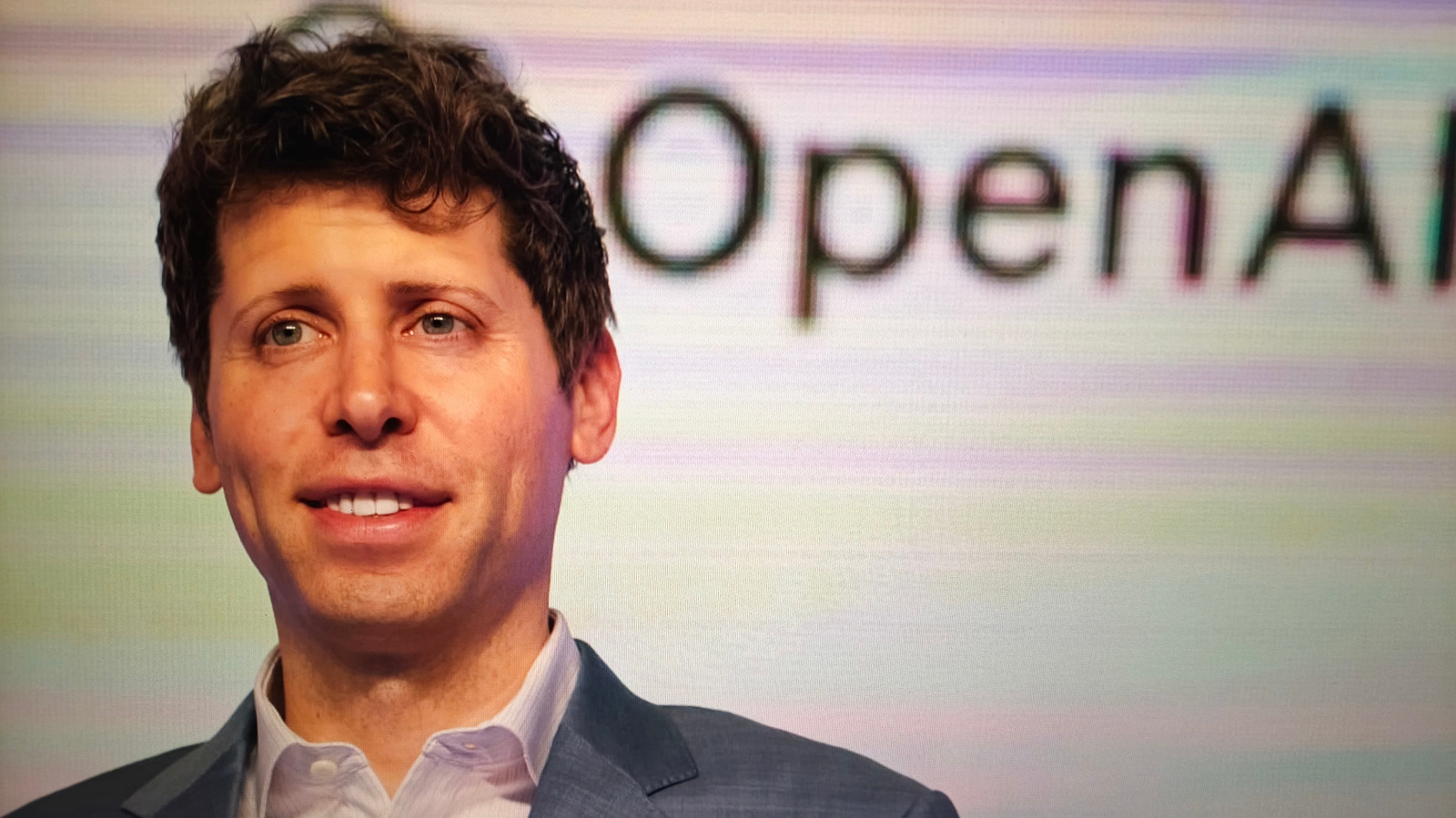
OpenAI's S-1 IPO financials are public: Q1 revenue tripled to $5.7 billion, but non-GAAP operating margin hit -122%. ChatGPT weekly users stalled near 905 million, Anthropic is only $900 million behind, and the IPO target remains $1 trillion.
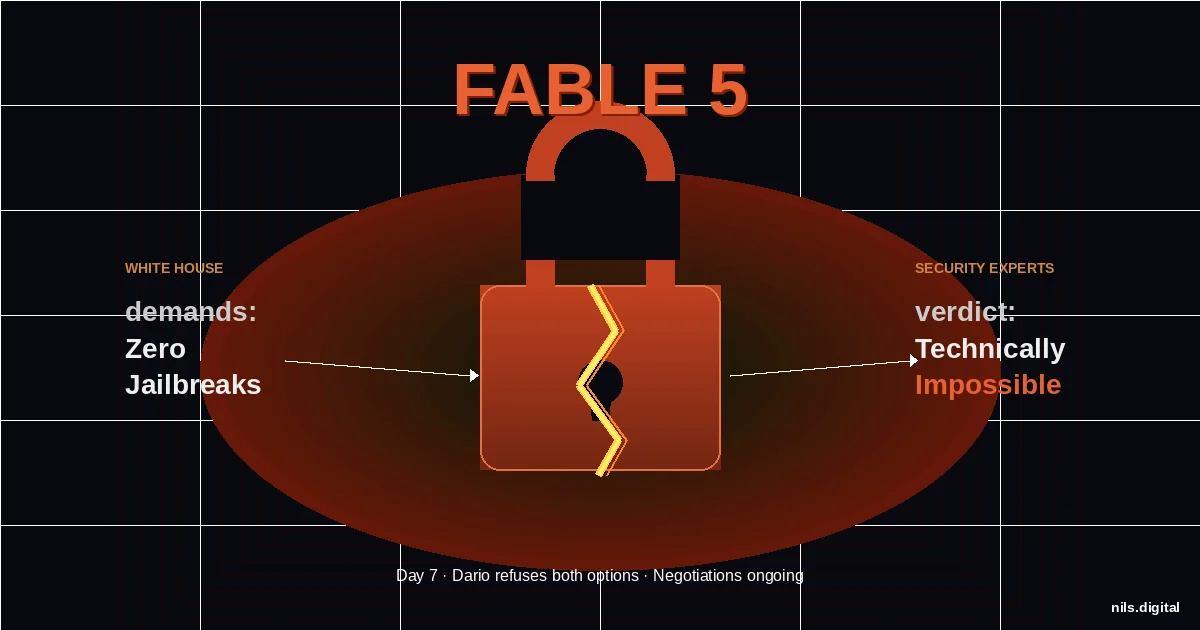
Day 7 of the Fable 5 ban: the White House demands the model be completely jailbreak-proof before it relaunches. Security experts are unanimous: that's technically impossible for any frontier LLM, and Dario Amodei has already refused both of the government's proposed fixes.
SpaceX issues a $20B bond to refinance xAI merger debt. Three agencies gave investment-grade ratings on the back of $75B in AI contracts despite a $4.28B Q1 loss.
Google Antigravity CLI officially replaces Gemini CLI today, cutting off free users immediately. An Apache 2.0 open-source tool absorbed into a closed platform, completing the fully proprietary AI coding tool market.
Noam Shazeer, co-author of the foundational transformer paper and Google Gemini co-lead, announced he is joining OpenAI. Google spent $2.7B to bring him back from Character.AI just two years ago. His departure is a significant blow to Gemini ahead of OpenAI's September IPO.
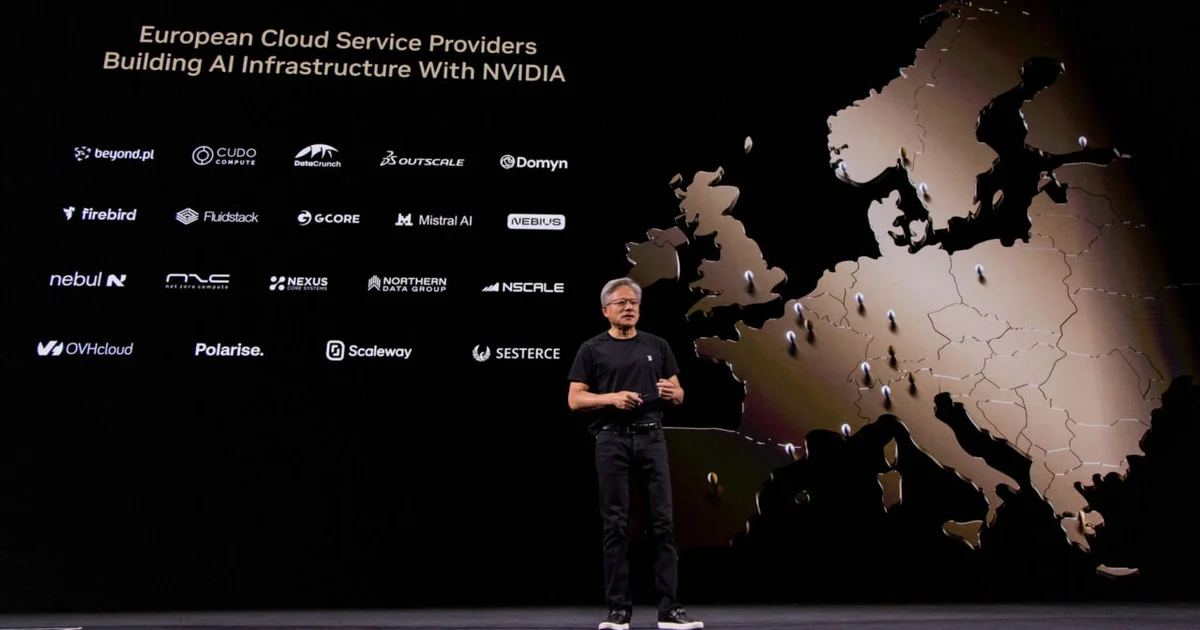
Jensen Huang opened VivaTech 2026 in Paris with a $20B pledge for European AI infrastructure and over 3,000 exaflops of Blackwell compute across eight countries, days after US export controls on Anthropic's Fable 5 exposed Europe's AI dependency.
Four days after its record IPO, SpaceX filed an SEC 8-K to acquire AI coding assistant Cursor for $60B in stock, the largest VC-backed startup acquisition ever. Cursor has $4B ARR, 1M+ paying users, and will access SpaceX's 500K-GPU Colossus cluster to challenge Claude Code and Codex.
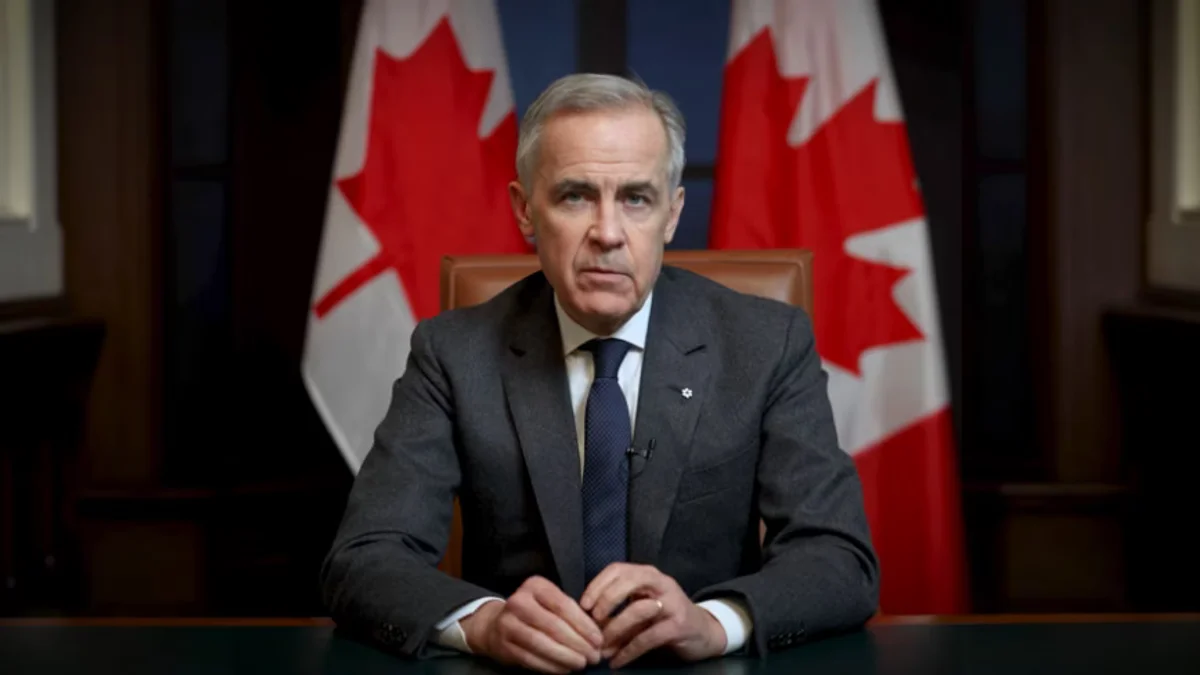
A single US export order took Anthropic's Fable 5 offline worldwide. At the G7 summit, Canadian PM Mark Carney compared the fallout to 2008-style systemic risk and called for sovereign AI infrastructure. If one directive can cut off millions of users, who owns that risk?
A coalition of 42 US state attorneys general has subpoenaed OpenAI over ChatGPT's sycophancy, child safety failures, and health data handling, just three weeks after its confidential IPO filing. Can a trillion-dollar listing survive a multistate probe?