Samsung Profit Jumps 19-Fold as AI Memory Demand Ignites a Chip Supercycle
TL;DR
Samsung Electronics posted preliminary Q2 operating profit of 89.4 trillion won on July 7, a 19-fold jump and an all-time quarterly record, driven by rising memory chip prices. Shares still dropped over 6% on the news. What is the market actually worried about?
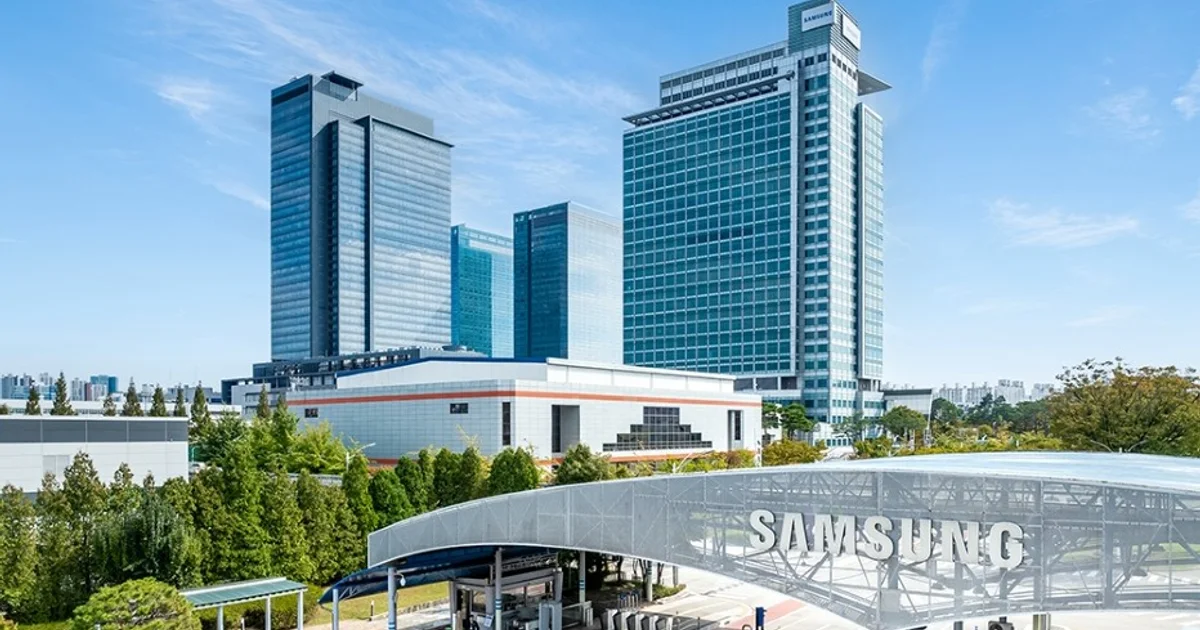
Samsung Electronics posted preliminary Q2 operating profit of 89.4 trillion won this morning, roughly $58.4 billion, a 19-fold jump year over year and an all-time quarterly record for the company. My read is that the print looks spectacular but doesn’t actually settle the question of whether the AI memory supercycle can run through 2027, because the profit jump was driven almost entirely by price, not by shipment volume. I tried backing into an implied memory-segment margin using Samsung’s Q1 divisional split plus SK Hynix’s reported HBM ASPs, and landed somewhere around the high 40s percent. If you’ve run a similar back-of-envelope model with different inputs and gotten a meaningfully different number, I’d like to compare notes before the July 30 official breakdown lands.
What Happened: One Earnings Print Rewrites Four Decades of Samsung History
The headline numbers are straightforward. Samsung’s preliminary consolidated Q2 revenue came in around 171 trillion won, up 129.3% year over year, though that figure landed slightly below the analyst consensus of roughly 172 to 173 trillion won. Operating profit hit 89.4 trillion won, up close to 19-fold, and comfortably beat the consensus range of 84.4 to 85.5 trillion won. A single quarter’s profit near 90 trillion won already exceeds double Samsung’s entire full-year 2025 operating profit, which was 43.6 trillion won. Add Q1’s 57.2 trillion won and Samsung has already booked 146.6 trillion won in operating profit for the first half of 2026 alone, more than three times what it earned in all of last year.
The engine behind this is memory. Samsung began mass production and shipping of HBM4 in February, widely credited as the first company to do so, with Nvidia’s next-generation Vera Rubin platform among its main customers. DRAM and NAND contract prices have climbed in tandem this year as data centers’ appetite for AI accelerators pulls pricing power back toward sellers. Samsung’s disclosure doesn’t break out how much of this came from the memory division specifically, that full segment breakdown won’t arrive until the official earnings release on July 30. What the market is looking at right now is a consolidated number plus an inference built from SK Hynix’s earlier results and visibility into Nvidia’s order book.
The contradiction sits in the stock reaction. Shares opened down more than 6% after the release, dragging the KOSPI lower with them. Samsung won this quarter on price, not on volume, and revenue actually landed a touch below expectations. A profit structure propped up mostly by margin expansion tends to be more fragile once a pricing cycle turns, and investors priced that risk in immediately.
Per Samsung’s official guidance release and reporting from the Korea JoongAng Daily, the segment-level breakdown won’t be available until July 30.
What the Numbers Actually Say
Annualizing 89.4 trillion won for a sense of scale, multiply this quarter’s profit by four and you get roughly $233.6 billion a year. South Korea’s entire annual GDP runs around $1.8 trillion, meaning the annualized run-rate of Samsung’s operating profit alone works out to something close to 13% of the country’s whole economic output. That math ignores seasonality and one-off effects, it’s just a way to give “AI memory supercycle” some actual weight instead of leaving it as a slogan.
There’s a benchmark caveat worth flagging here. What Samsung released is preliminary consolidated guidance. Under Korean disclosure rules, the company can only report a single point estimate rather than a range, and it hasn’t split out results by division yet, so nobody outside Samsung actually knows how much memory, mobile, or displays each contributed. The market’s read that “the memory supercycle is still accelerating” is largely reverse-engineered from SK Hynix’s strong recent results and Nvidia’s order visibility. That inference is probably directionally right, but it remains an inference until the segment data lands on July 30.
Worth noting too is what this print quietly answers. Earlier this year, reports suggested Meta might trim parts of its AI capex plans, and the market briefly worried that could drag on memory demand growth. Samsung’s numbers respond to that concern with hard evidence, at least based on Samsung’s own order visibility, hyperscaler purchasing of memory hasn’t shown any sign of slowing down.
Metrics Worth Watching Next
First, whether the memory division’s standalone operating margin clears 50% in the July 30 official release. Clearing that bar suggests the pricing cycle still has runway; falling well short suggests the market’s optimistic read got ahead of itself.
Second, HBM shipment volumes and average selling prices in SK Hynix’s and Micron’s next earnings reports. Comparing all three companies’ numbers side by side is the only way to tell whether this is an industry-wide pricing wave or a Samsung-specific windfall from first-mover positioning.
Third, weekly DRAM and NAND spot prices over the next one to two months. A clear slowdown or reversal there would signal the price surge has already been baked into contract pricing, and next quarter’s profit growth momentum would soften accordingly.
Fourth, whether Samsung’s stock recovers this pullback within the next two weeks. A quick recovery would suggest investors are just reacting to short-term sentiment around the revenue miss; a sustained decline would suggest institutional investors genuinely think this supercycle is near its peak.
If this was useful, subscribe to the newsletter for weekly AI PM insights and GenAI case studies.
Related reading:
Related Articles
SK Hynix Surges 13% on Nasdaq Debut: Inside the $26.5B AI Memory Bet
SK Hynix debuted on Nasdaq July 10, raising $26.5B in the largest-ever foreign ADR offering and popping 13% to a $1.2 trillion market cap. Leveraged ETFs tracking the stock launch today. Structural shift, or cycle-top euphoria?
AI Bubble Fears Trigger Second Circuit Breaker in Korea in Three Days
South Korea triggered a sell-side circuit breaker twice in three trading days, with Samsung and SK Hynix both falling over 7% again today. The real trigger was Micron getting hit by Chinese DRAM competition, not AI data center demand. Here is the math.